The Importance of Brand Consistency (and Why a Brand Guide Matters)
Consistency is what turns a brand from something people notice & remember
Brand consistency is one of the most overlooked—but most powerful—parts of building a successful business.
You can have a great logo, strong visuals, and even a clear message. But if those elements aren’t used consistently, your brand starts to lose its impact.
Consistency is what turns a brand from something people notice… into something they remember.
What Is Brand Consistency?
Brand consistency means presenting your business the same way across every platform and touchpoint.
That includes:
- Visual elements (logo, colours, typography)
- Messaging and tone of voice
- Layout and design style
- Image treatment and content style
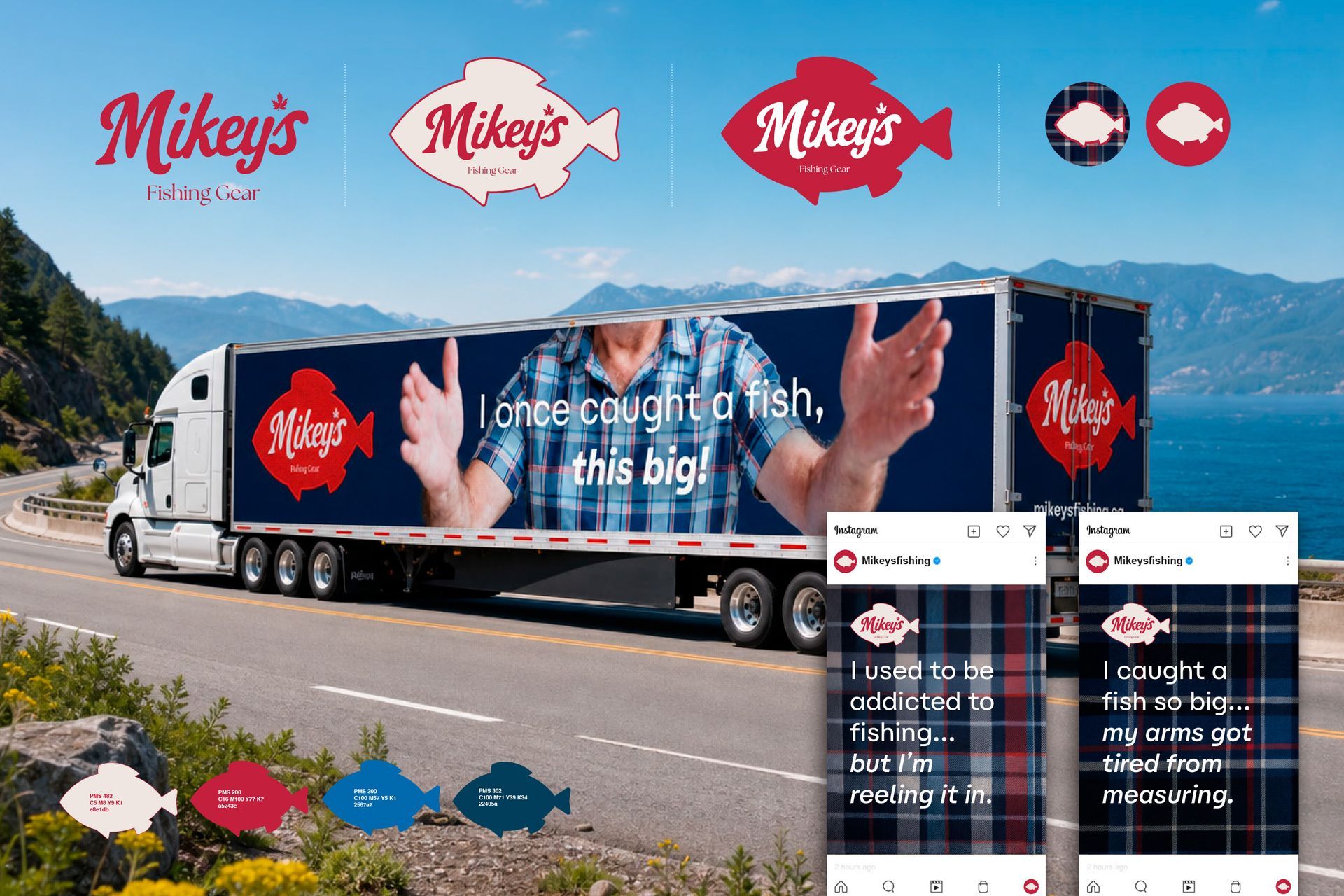
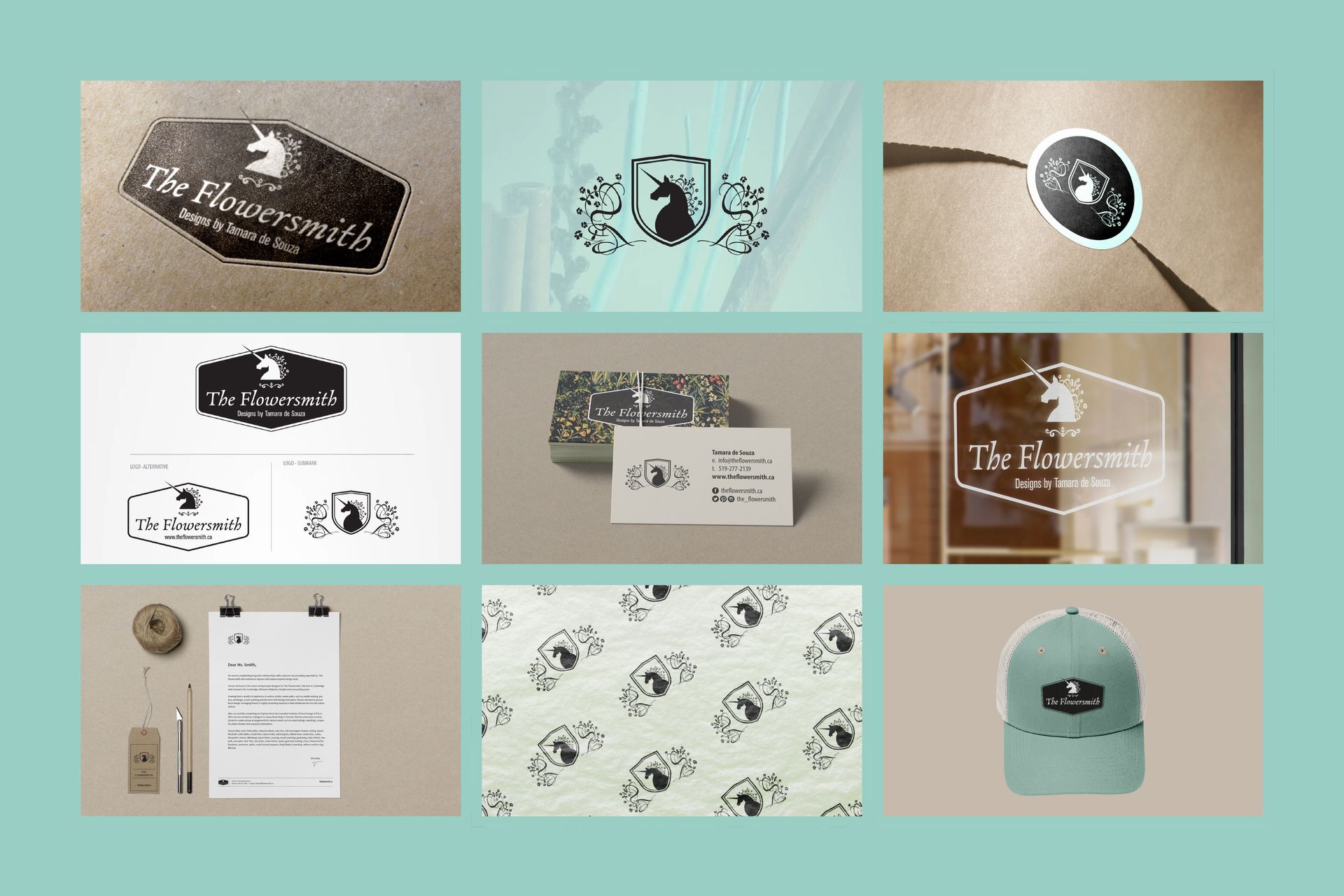
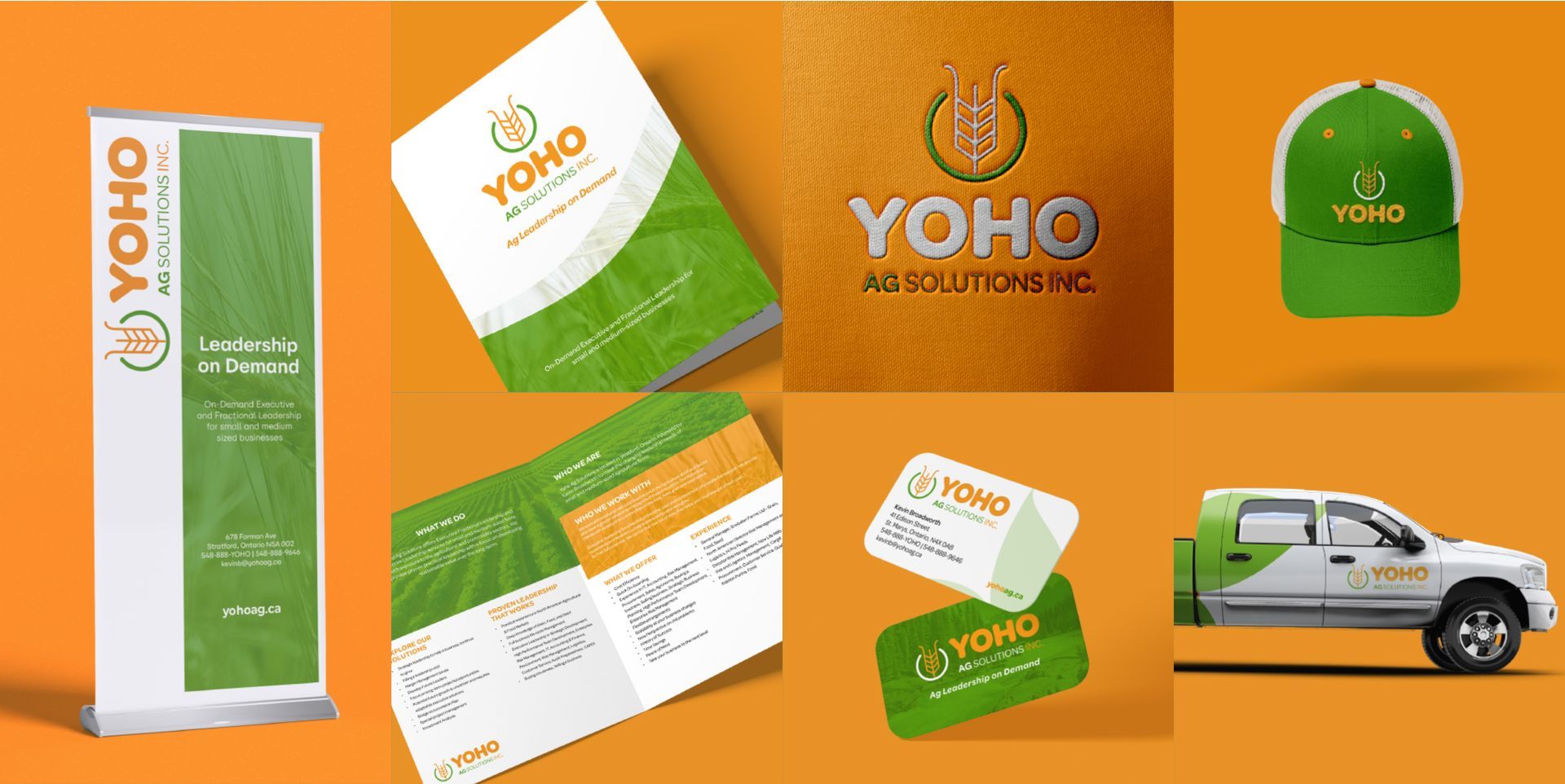
From your website to your social media, packaging, and marketing materials—everything should feel like it comes from the same brand.
When it does, your business feels more polished, more professional, and more trustworthy.
Why Brand Consistency Matters
Consistency isn’t just about aesthetics—it directly affects how people perceive your business.
1. Builds Trust
When your brand looks and feels consistent, it signals reliability. People are more likely to trust a business that presents itself clearly and cohesively.
Inconsistent branding, on the other hand, can feel unpolished—or even unprofessional.
2. Improves Recognition
Think about the brands you instantly recognize. It’s not just their logo—it’s their colours, layouts, and overall style.
Consistency reinforces those elements over time, making your brand easier to remember.
3. Strengthens Your Message
When your visuals and voice are aligned, your message becomes clearer. You’re not just communicating—you’re reinforcing your identity with every interaction.
4. Supports Growth
As your business expands—adding new platforms, products, or marketing channels—consistency keeps everything aligned.
Without it, your brand can quickly become fragmented.
What Is a Brand Guide?
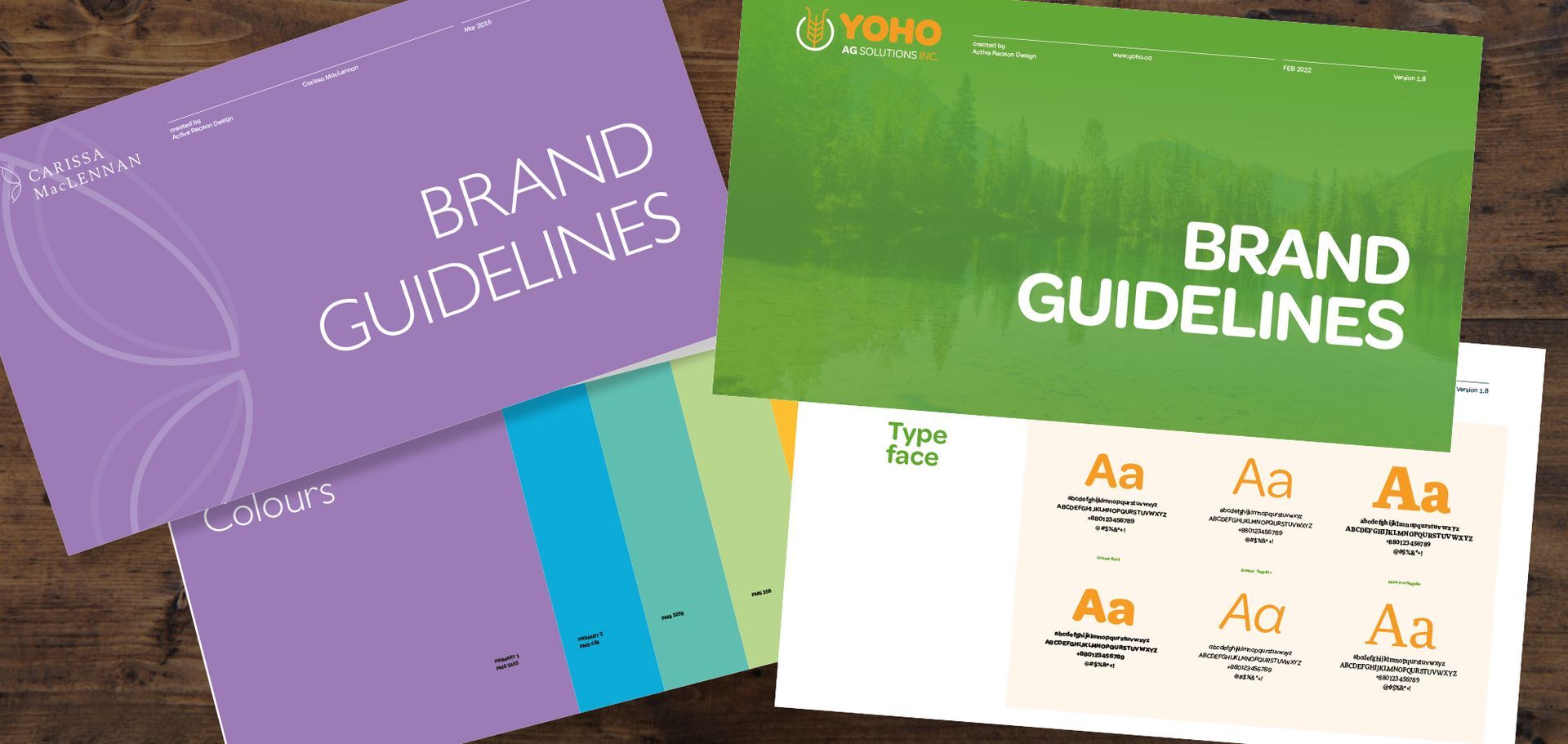
A brand guide (or brand guidelines document) is the foundation of consistency.
It’s a reference document that outlines how your brand should be used—visually and verbally—across all applications.
A strong brand guide typically includes:
- Logo usage and spacing rules
- Colour palette (with exact values)
- Typography and font hierarchy
- Image and graphic style
- Tone of voice and messaging direction
- Layout and design principles
It removes guesswork and ensures that anyone working with your brand—designers, marketers, or collaborators—can apply it correctly.
The Advantages of Having a Brand Guide
Clarity Across Teams
Whether you’re working with freelancers, internal teams, or external partners, a brand guide keeps everyone aligned.
No more “close enough” interpretations—everything has a clear standard.
Faster Content Creation
With defined rules in place, creating new materials becomes faster and easier. You’re not reinventing the wheel every time.
Stronger Brand Presence
Consistency across platforms builds familiarity—and familiarity builds trust.
Your audience starts to recognize your brand instantly, even before they see your logo.
Long-Term Efficiency
A brand guide saves time, reduces revisions, and prevents costly inconsistencies down the line.
It’s not just a design document—it’s a business tool.
Why Work With a Professional?
Creating a brand guide isn’t just about documenting visuals—it’s about building a system that works in real-world applications.
That’s where a studio like Active Reason Design comes in. Instead of piecing together guidelines after the fact, you get:
- A cohesive brand system built from the start
- Thoughtful, strategic decisions behind every element
- A clear, usable guide tailored to your business
- Consistency across all touchpoints
It’s the difference between having a brand—and knowing how to use it effectively.
Final Thoughts
Brand consistency is what turns good design into a strong brand. And a brand guide is what makes that consistency possible. If you want your business to feel professional, recognizable, and trustworthy at every touchpoint, it’s not enough to just have the pieces—you need a system that keeps them working together.
That’s exactly what Active Reason Design helps build.