Logo Variations: The Difference Between Looking Legit — and Being Ignored

Ben Haskins • March 23, 2026

How logo variations create flexibility, consistency, and stronger brand perception
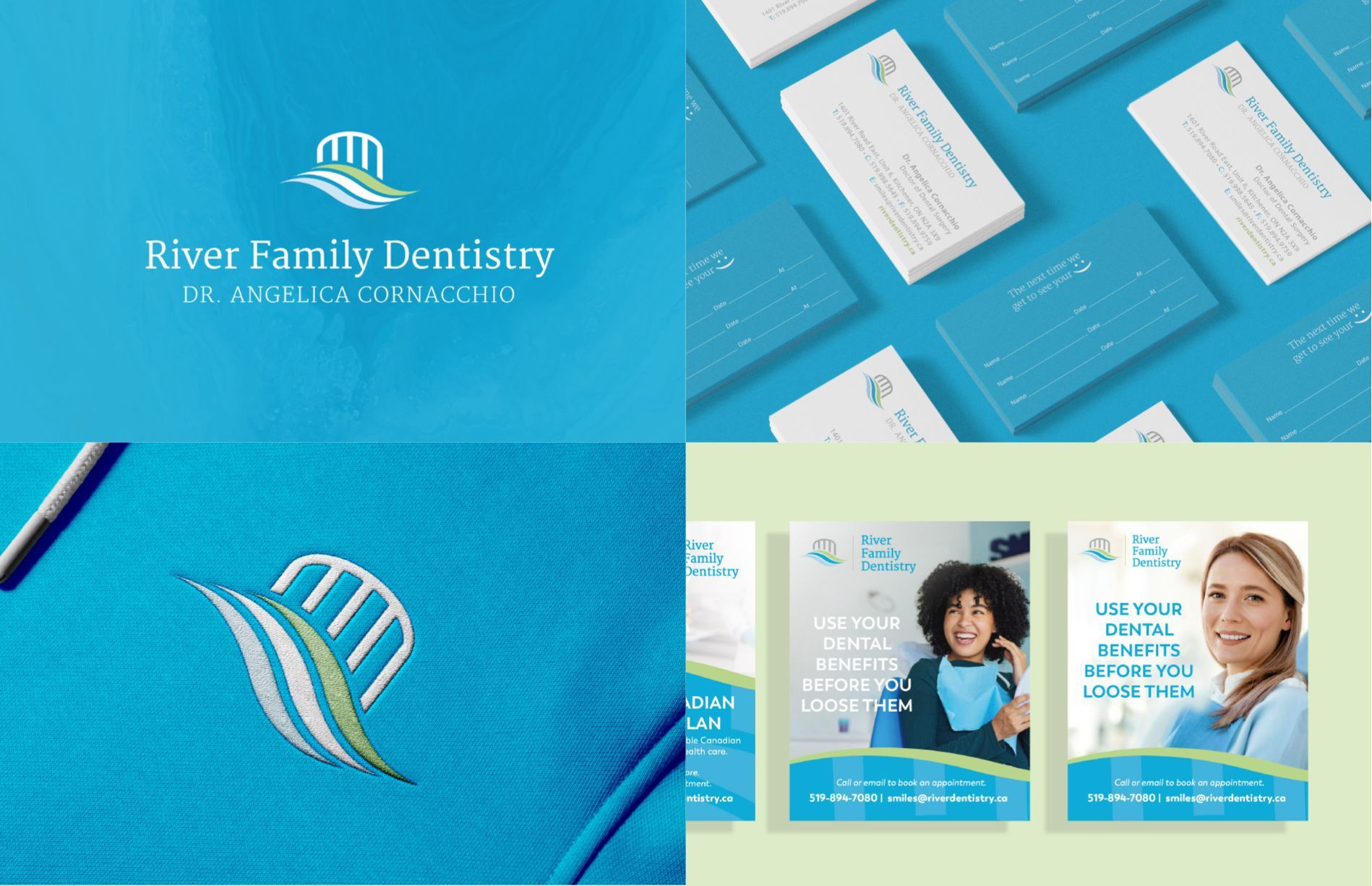
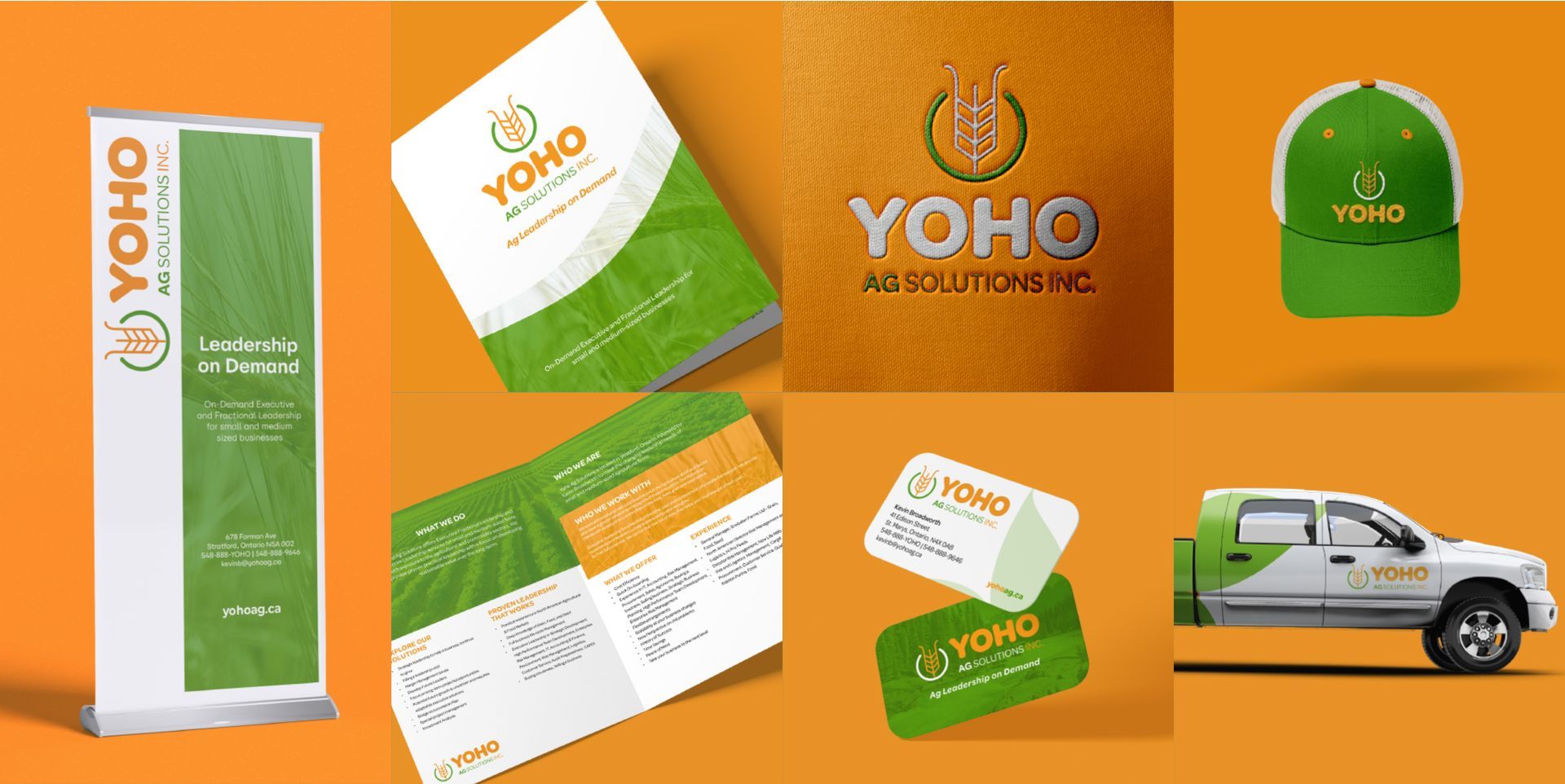
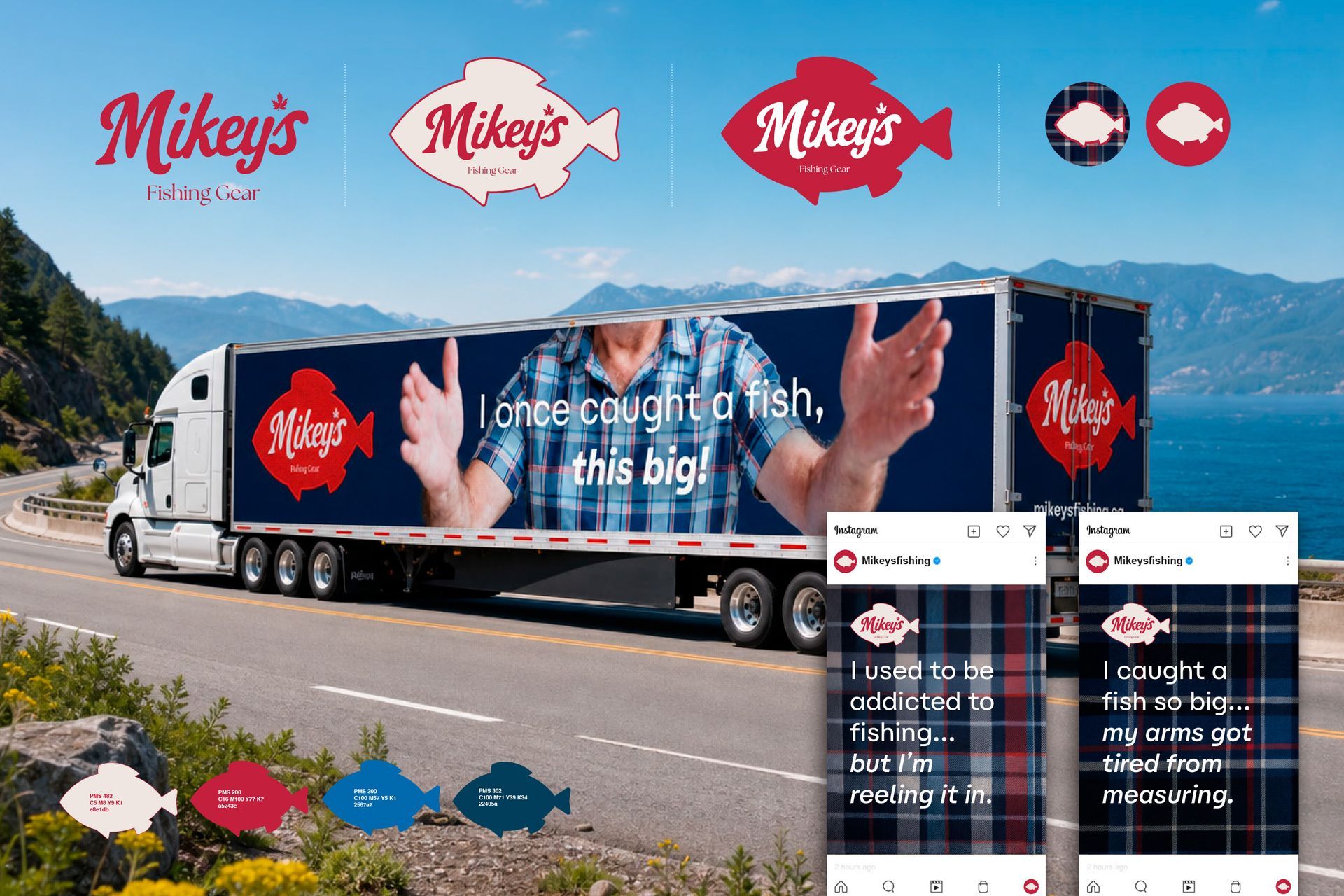
Most businesses think they “have a logo.” What they actually have is a single file — usually stretched, cropped, or forced into places it was never designed to go. And that’s exactly where brands start to lose credibility. Because real brands don’t rely on one logo. They use a logo system.


One Logo Isn’t a System — It’s a Limitation

If your logo only works in one format, you don’t have a branding solution — you have a design constraint.

Think about where your brand lives:

  • Website headers
  • Social media profiles
  • Packaging
  • Video content
  • Print materials

Each of these requires a different format, scale, and level of detail. Without logo variations, your brand becomes inconsistent fast — and inconsistency erodes trust.


The Logo System Every Serious Brand Needs


A professional brand identity isn’t just designed — it’s engineered to function.

Here’s what that actually looks like:


Primary Logo — Your Full Expression

This is your most complete, detailed version.

Used when:

  • You have space
  • You need clarity
  • You want to make a strong first impression


Wordmark — Clarity and Recognition

Stripped down to just your name, styled with intention.

Used when:

  • Clean layouts matter
  • Readability is key
  • You want your name to stick


Brand Mark — Instant Recognition

Your symbol. No words. No explanation.

Used when:

  • Space is limited
  • Your audience already knows you
  • You need fast visual impact


Combination Marks — Controlled Flexibility

Structured variations that allow your logo to adapt without breaking.

Used when:

  • Layouts shift
  • Formats change
  • Consistency still matters


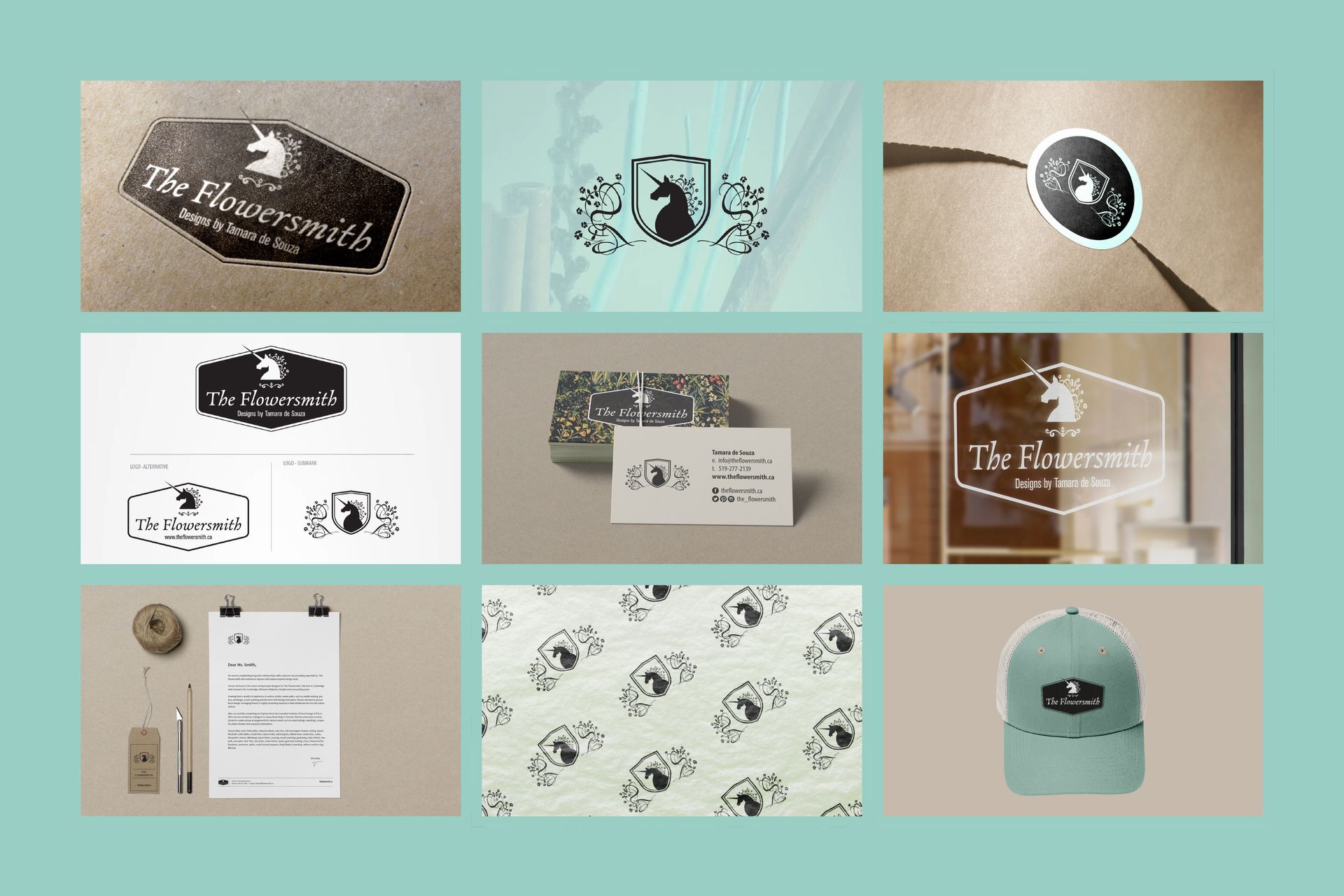
Submarks — Where Brand Meets Application

These are the details most businesses overlook — and where strong brands separate themselves.

Used for:

  • Social media icons
  • Packaging stamps
  • Merchandise
  • Secondary placements

This is where your brand starts to feel complete.


What Happens Without Logo Variations

Let’s be direct.


Without a logo system:

  • Your brand looks inconsistent
  • Your marketing feels disconnected
  • Your business appears less established
  • Your perceived value drops


And perceived value is what determines whether someone trusts you — or scrolls past you.


This Isn’t About Design — It’s About Positioning

Strong branding signals professionalism before you say a word. Weak branding forces you to explain yourself. That’s the difference.


Why Businesses Work with Active Reason Design

At Active Reason Design, logos aren’t delivered as single assets — they’re built as complete systems designed for real-world use.


That means:

  • Every variation has a purpose
  • Every format is accounted for
  • Every detail supports how your brand shows up


Because your brand shouldn’t fall apart the moment it leaves your website.


Final Thought

If your current logo only works in one place, it’s not doing its job. And if your brand looks inconsistent, your audience notices — even if they can’t explain why. A logo system fixes that.
By Ben Haskins March 22, 2026
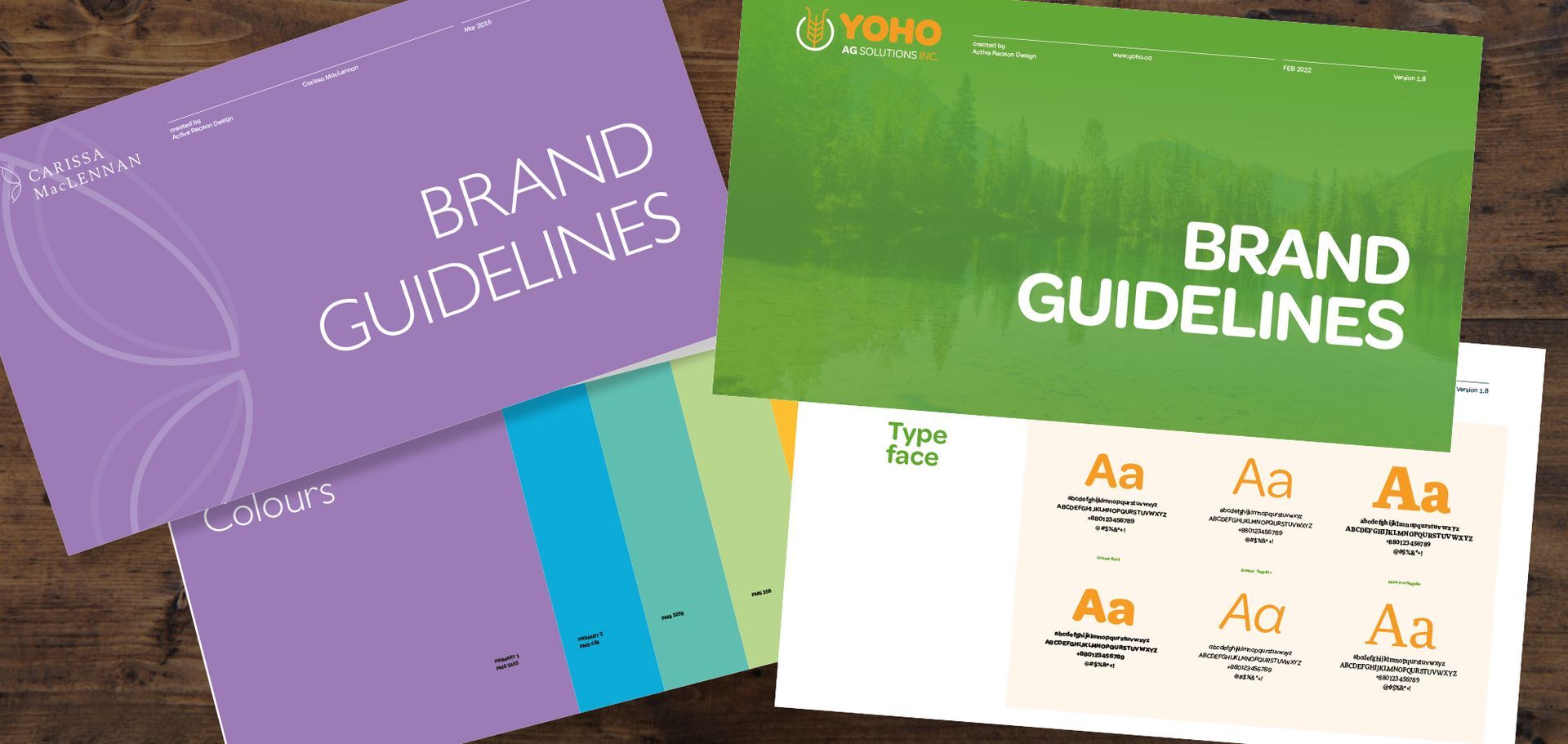
Struggling with inconsistent branding? Learn why brand consistency matters and how a brand guide keeps everything aligned as your business grows.
By Ben Haskins March 22, 2026
Your brand is more than a logo. Learn how a brand system builds trust, consistency, and recognition—and why hiring a designer makes all the difference.
By Ben Haskins March 22, 2026
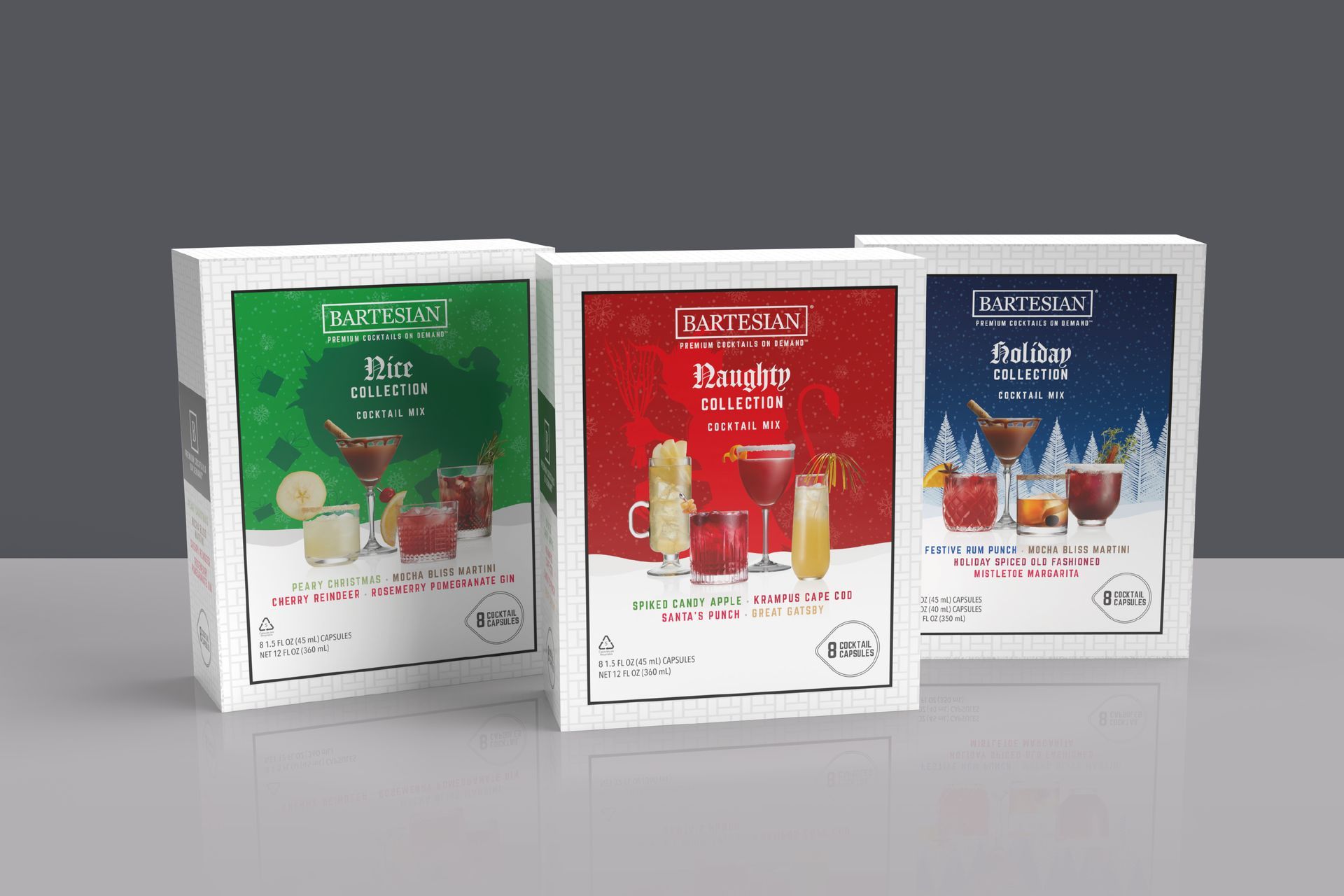
At Active Reason Design, packaging is approached as more than just a container—it’s a key part of how a brand communicates in the real world. Packaging design is often the first tangible interaction someone has with your product. Before anything is opened or experienced, the packaging has already shaped expectations. It signals quality, intention, and identity in a matter of seconds. From structure and materials to typography and colour, every detail works together to create a cohesive experience. The goal isn’t just to make something look good—it’s to make it feel aligned with your brand. Why Packaging Design Matters In competitive markets, products rarely get a second chance to make a first impression. Strong packaging design: Grabs attention quickly and intentionally Communicates value at a glance Builds trust through consistency and quality Influences purchasing decisions—both in-store and online For e-commerce brands, packaging also plays a critical role in the unboxing experience. It becomes part of the product itself—something customers remember, share, and associate with your brand. When packaging is thoughtfully designed, it doesn’t just support the product—it helps sell it. Building the Brand Through Packaging Packaging is one of the most powerful ways to express your brand in a physical form. At Active Reason Design, packaging is developed as an extension of a larger brand system. That means every element is intentional: Colour choices reinforce tone and positioning Typography supports clarity and personality Materials reflect quality and values Structure enhances both usability and perception Whether building from the ground up or working within an existing brand, the focus is always on cohesion. Packaging should feel like a natural continuation of your identity—not a disconnected piece. The result is a product that feels considered, consistent, and recognizable. Why Work With a Designer? Effective packaging sits at the intersection of branding, design, and production. It requires more than aesthetics—it requires strategy and technical understanding. Working with Active Reason Design means: A branding-first approach to packaging decisions Design solutions tailored to your product and audience Experience with production processes and print requirements A focus on clarity, function, and long-term scalability  Rather than simply decorating a package, the process is about solving how your product shows up in the market—and how it’s experienced by your customers. Technical Considerations Great packaging design is built on a strong technical foundation. Early decisions here can impact cost, production, and overall quality. Key considerations include: Scalability Designing with future growth in mind ensures your packaging can evolve alongside your business without needing to start from scratch. Structure & Dielines Packaging must be designed with precise specifications to ensure it assembles correctly and performs as intended. Print Methods & Finishes Choosing the right production method affects everything from colour consistency to budget. Finishing techniques—like embossing or foil—can elevate the final result when used thoughtfully. Materials Material selection influences durability, sustainability, and perception. It’s not just about function—it’s part of the brand experience. Regulatory Requirements For certain industries, packaging must include specific information such as ingredients, barcodes, and compliance details. Final Thoughts Packaging design is where branding becomes tangible. It’s an opportunity to create a meaningful, lasting impression before the product is even used. At Active Reason Design, the focus is on building packaging that not only looks refined, but works strategically—supporting your brand, your product, and your long-term growth. Let’s Build Something Memorable If you’re launching a new product or looking to elevate your current packaging, Active Reason Design offers branding-led packaging solutions that balance creativity with real-world production. Let’s create packaging that speaks for your brand—clearly, confidently, and with purpose.